When War
Comes,
Women Carry
A Tribute to Resilience
A historical overview of the Biafran conflict (1967-1970), honoring the women who navigated the "Afia Attack" routes, the silent architects of survival.
History has always placed women at the intersection of war and survival - not on the front lines of its official accounts, but in the spaces between. The roads that should not be crossed. The borders that should not exist. The hunger that cannot wait for a ceasefire.
In Algeria in the 1950s, women smuggled weapons and intelligence through French checkpoints in shopping baskets, beneath veils, inside the mundane movements of daily life. In Vietnam, they maintained markets and supply lines under bombardment, keeping communities alive in the tunnels and forest paths the military could not map.
"In Rwanda, women emerged from one hundred days of slaughter to become the architects of a nation's survival - because almost everything else had been taken."
Biafra, 1967-1970
The Declaration
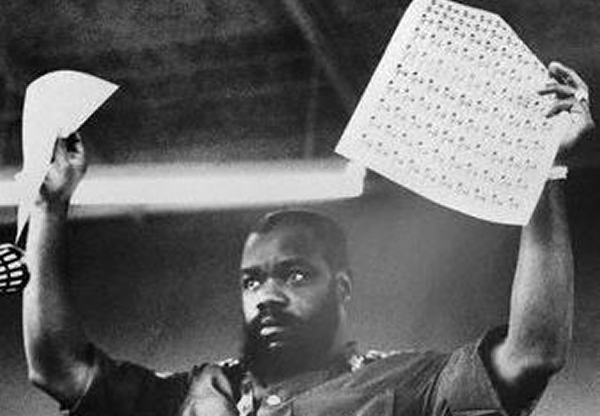
On the 30th of May, 1967, the Eastern Region of Nigeria declared itself the Republic of Biafra. The secession came after years of political crisis, ethnic violence, and the mass killing of Igbo people in northern Nigeria - pogroms that drove more than a million people from their homes back to the Eastern Region. What Biafra declared, in its founding, was not only a nation. It was the right of a people to exist without fear of annihilation.
The War Begins
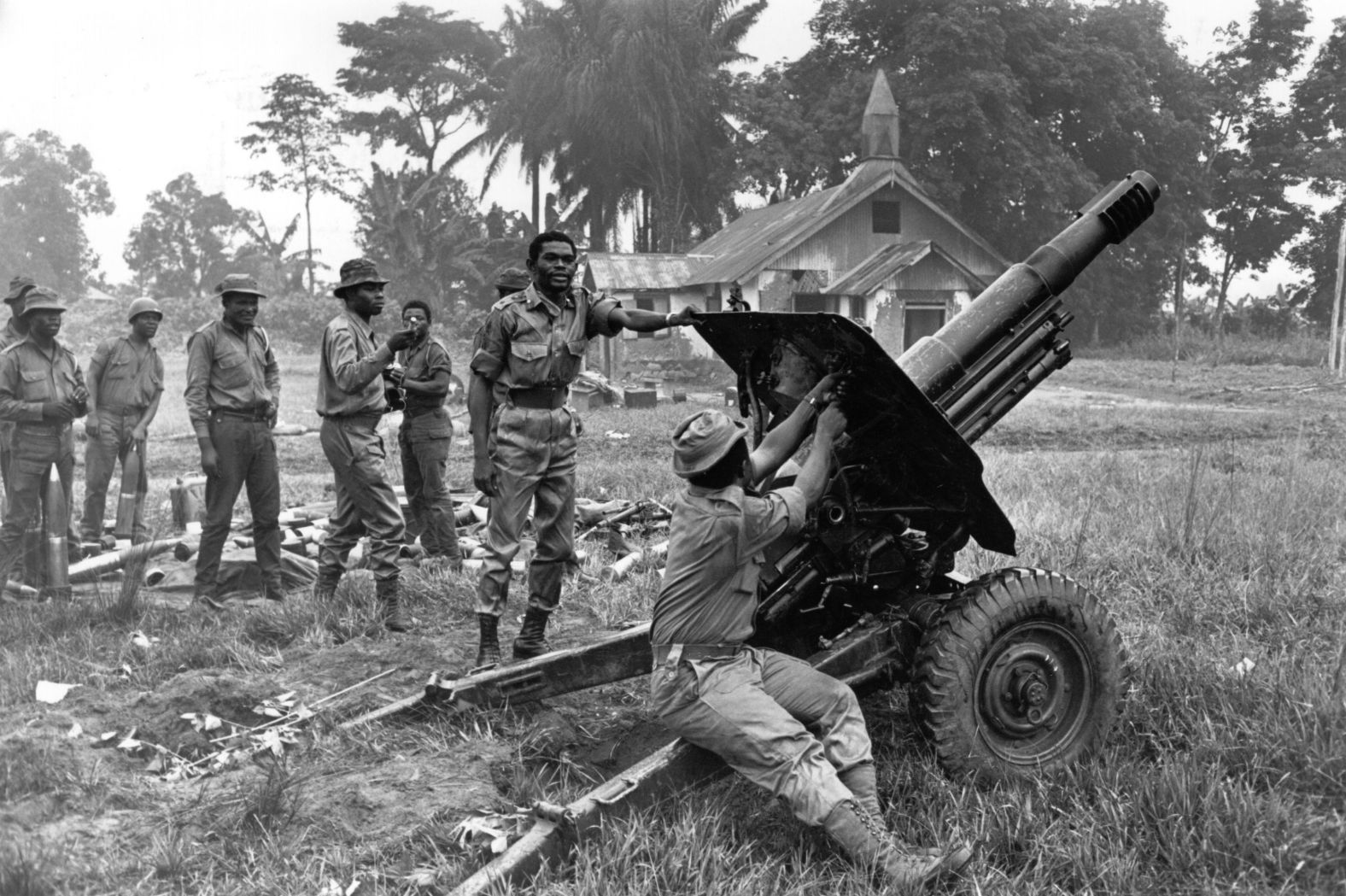
On the 6th of July, 1967 - five weeks after the declaration - Nigerian federal forces launched a full military offensive. The federal government declared total war. Within a year, federal troops had captured Port Harcourt, Biafra's principal port, and surrounded the territory on all sides. What began as a conflict expected to last weeks lasted thirty months. By January 1970, between five hundred thousand and two million civilians were dead - the majority not from combat, but from what came next.
The Weapon
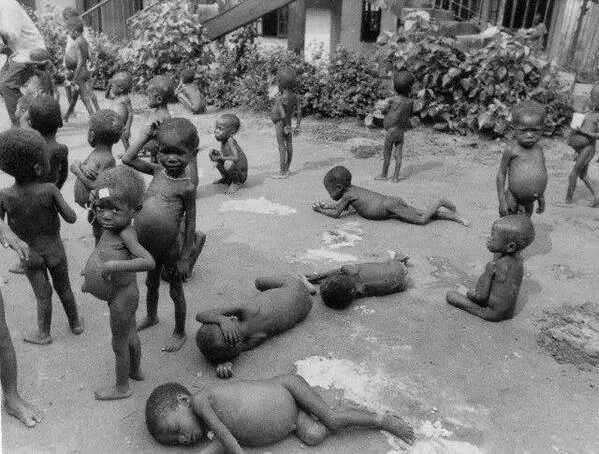
The Nigerian federal government imposed a total blockade on Biafra. No food. No medicine. No supplies. This was not a side effect of the war - it was a deliberate strategy. Senior federal officials stated publicly that starvation was a weapon of war. The result was a famine of catastrophic scale. By 1968, an estimated three thousand to five thousand people were dying daily inside Biafra. The images that reached the international press - children reduced to hollow eyes and distended bellies - shocked the world into action. Aid organizations crossed active front lines for the first time in modern humanitarian history. The blockade of Biafra directly led to the founding of Médecins Sans Frontières in 1971, and contributed to the 1977 amendments to the Geneva Conventions prohibiting starvation as a method of warfare. The world looked away when it ended. The deaths were never formally accounted for.
Timeline of the Republic
Eastern Nigeria declares the Republic of Biafra. Enugu named capital.
Nigerian federal forces launch military offensive. War begins.
Enugu falls to federal forces. Capital moves to Umuahia.
Port Harcourt falls. Biafra is landlocked and surrounded.
Images of the famine reach international press. Global humanitarian response begins.
The Afia Attack routes become the primary lifeline of civilian survival.
Biafra surrenders. The war ends. Between five hundred thousand and two million dead.
The Afia
Attack
Routes
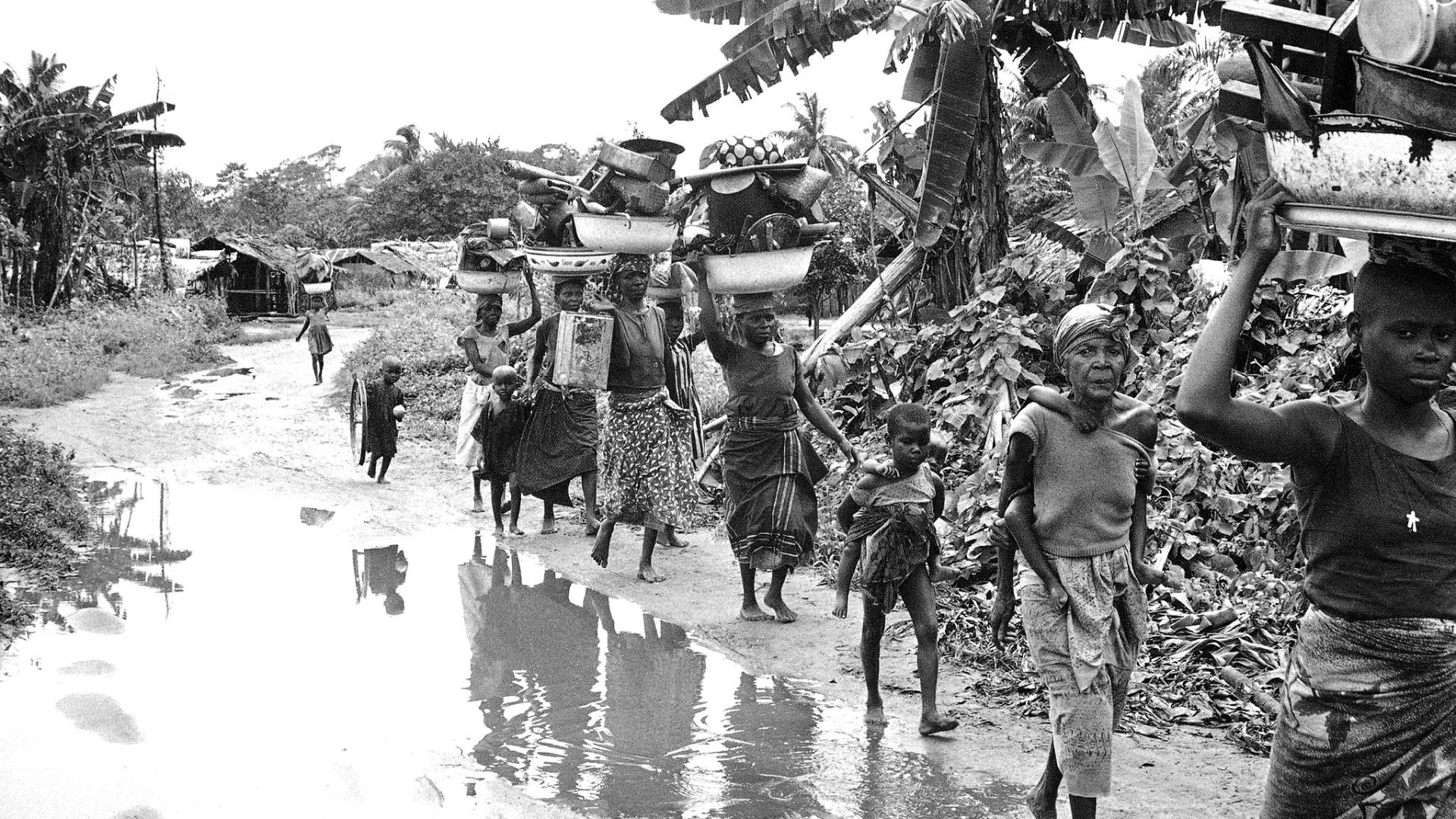
No government ordered it. No military command organized it. The Afia Attack routes - the dangerous informal trade paths that women navigated through the federal blockade - were the invention of necessity itself.
They moved through forests and swamps, across front lines and through checkpoints, carrying what survival required: garri, salt, dried fish, palm oil, medicine. The routes lived in the women who walked them, passed between them in whisper and knowledge.
Routes of the Afia Attack were unrecorded - lived only in the women who walked them.
From the checkpoints of Algiers to the forests of the Niger Delta. From the tunnels of Vietnam to the rebuilding of Rwanda. Women have always been the logistics of survival - the ones who kept people alive when the official world had decided otherwise.
The Afia Attack routes were not an anomaly. They were the continuation of something ancient and unbroken: the refusal, quiet and fierce and at enormous personal cost, to let their people be erased. These women were not written into history. In many ways, they were the history that was never written.
Ujuaku Akukwe has spent over a decade in archives and in conversation with survivors, documentary filmmaking as an act of recovery. Afia Attack is what that research became when it demanded to be told as story - with the full weight of a human life at its center.
This novel is the attempt to write it.
"This is where the historical record ends and the novel begins. Afia Attack is the attempt to do what archives cannot: to enter those routes, to follow one woman through them, to give back what history reduced to statistics and silence."
The routes were real.
The women were real.
The story is coming.
[1] The term "Afia Attack" derives from the Igbo words for market (afia) and raid or attack, reflecting the high-risk, combat-adjacent nature of trading during active conflict. The routes were not organized - they were improvised survival networks, passed between women through oral knowledge.
[2] Estimates of the death toll vary significantly due to the destruction of records during the final stages of the conflict.